New Tank and Fittings
The tank itself plus new flex connectors, dielectric unions, a fresh T&P valve, and a drain pan where the location calls for one. We do not reuse old connectors or a valve that has already been cycling for a decade.
When your tank quits, water heater replacement Victoria TX homeowners need means a straight price and hot water back as soon as possible. We handle gas and electric tanks, tankless conversions, and emergency swaps across Victoria County. If you are searching for water heater replacement near me Victoria, call 831-573-30144 and we will get you scheduled.
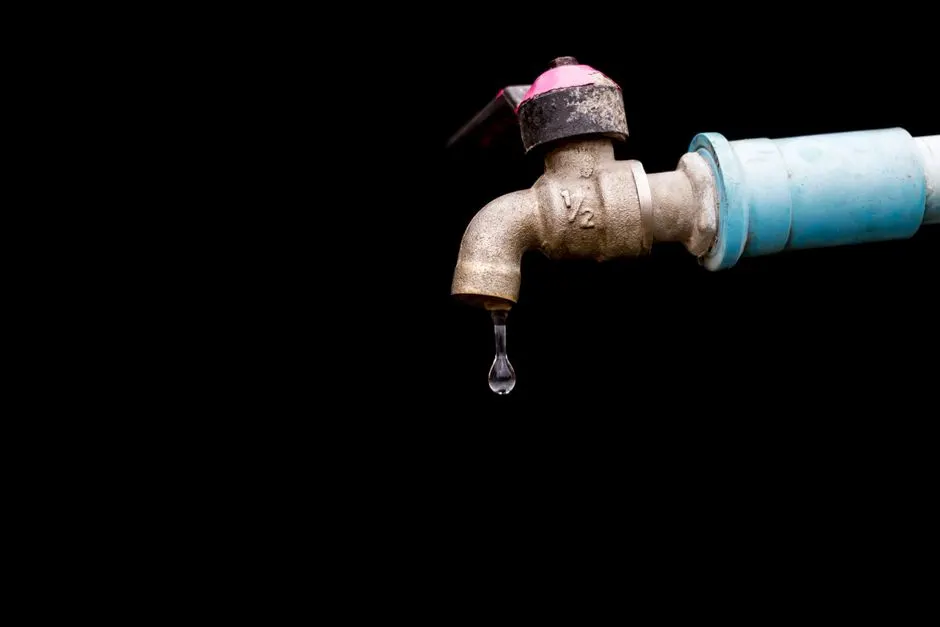
Water heater replacement Victoria TX is the full removal and reinstallation of a failed or failing water heater, including the tank, fittings, venting, drain pan, expansion control, and code-required safety components. We drain the old unit, cut it free, haul it out, and set the new tank on a level pad with new flex connectors, a fresh T&P valve, and dielectric unions so electrolysis does not eat your copper pipes from the inside. Gas units get a new sediment trap and a combustion air check; electric units get a properly sized breaker and element test before we close up.
Most Victoria homes we open up still run a 40- or 50-gallon tank that was installed when the house was built, and by the time it fails it has already been weeping at the fittings for months. Hard Hill Country water leaves scale on the bottom of the tank, which is why you hear popping and get lukewarm showers long before the tank actually splits. If you need water heater install Victoria Texas service on a Saturday or a holiday weekend, we keep emergency slots open because a leaking tank does not wait for Monday.
A replacement is more than a tank swap. Here is what we handle on a standard install, and where add-ons like a tankless conversion or a new gas line come into the picture. You get the full scope and price before we start, so nothing shows up as a surprise on the invoice.
The tank itself plus new flex connectors, dielectric unions, a fresh T&P valve, and a drain pan where the location calls for one. We do not reuse old connectors or a valve that has already been cycling for a decade.
We drain the old unit, disconnect it, pull it out through the tightest access in the house, and haul it off. You are not left with a dead tank in the garage or a disposal fee to sort out yourself.
Gas units get a new sediment trap, a leak test at every joint, and a combustion air check. Electric units get a voltage check, a properly sized breaker, and an element test before we energize the tank.
Closed plumbing systems need an expansion tank, and every gas unit needs correct venting. We install both to current code so the tank is not fighting pressure it was never designed to hold.
We fill the tank, bleed air from every hot tap, fire the burner or elements, and check every connection for leaks. Then we show you the shut-off, the temperature setting, and the anode port before we leave.
We ask the tank's age, fuel type, and whether it is actively leaking. That tells us whether to treat it as an emergency or schedule a standard slot, and it lets us load the right size tank before we roll. If water is running across the floor, we talk you through shutting off the gas valve or the breaker and the cold inlet.
The plumber checks the tank, the venting, the gas line or circuit, the shut-off valve, and the pan. We confirm the replacement size and fuel type, then give you one price before any work starts. If we find a corroded shut-off or a vent that no longer meets code, we tell you right there.
We kill the power or gas, hook a hose to the drain valve, and empty the tank. Old units come out through the garage, utility closet, or attic access, and we lay drop cloths on the route. A standard drain and pull takes about 30 to 45 minutes.
The new tank goes on a level pad with new flex connectors, dielectric unions, a fresh T&P valve, and an expansion tank where the closed system requires one. Gas units get a sediment trap and a leak test at every joint; electric units get a voltage and element check. This is the 90-minute stretch where the job is won or lost.
We fill the tank, bleed the air from every hot tap, and fire the burner or energize the elements. Then we check for leaks at every connection, confirm the temperature setting, and show you the shut-off and the anode port. You get the old tank hauled off and the area left dry.
We ask the tank's age, fuel type, and whether it is actively leaking. That tells us whether to treat it as an emergency or schedule a standard slot, and it lets us load the right size tank before we roll. If water is running across the floor, we talk you through shutting off the gas valve or the breaker and the cold inlet.
Breaking loose decades-old fittings without crushing the pipe, and cutting copper or galvanized cleanly so the new connections seat properly.
Fast, controlled work in tight closets and attics where a cord will not reach and a torch is not safe to use near framing.
Verifying voltage and element function on electric tanks, and spotting hot spots or hidden moisture around the heater before we close up.
Confirming the system holds pressure after the install and isolating whether a pressure loss is at the tank or somewhere else in the house.
Checking the floor and framing around a failed tank so we know whether water has traveled under baseboards or into the slab edge.
Looking inside drain and vent lines when a heater swap uncovers a blocked pan drain or a corroded vent run.
Most of what people call a water heater problem is really a wear problem. Once the tank, the valve, or the venting is past its service life, no amount of adjusting fixes it. Here is what we see most in Victoria and how we solve it.
Ask a pro →We replace the tank and flush the hot lines to clear the sediment. If the corrosion is coming from galvanized supply pipes rather than the tank, we identify that during the assessment and quote the right fix instead of selling you a heater that will not solve it.
In Victoria's hard water, scale is the leading killer of tanks. We replace the unit and, where it makes sense, set you up on an annual flush schedule so the new tank gets the maintenance the old one never had.
We diagnose the actual cause first. If it is a $200 element or thermocouple, we repair it and tell you the tank still has life. If the tank is undersized or at end of life, we quote a replacement sized to your household's first-hour demand.
We shut the unit down, confirm whether the leak is at a serviceable fitting or the tank itself, and repair or replace accordingly. If it is the tank, we swap it and install a pan and pan drain so the next failure drains outside instead of into your house.
We shut off the fuel and water, drain the old tank, disconnect it, and haul it out, then set the new unit on a level pad with new connectors, a T&P valve, and an expansion tank where required. Fill, bleed the air, test the burner or elements, and check every joint for leaks. A standard swap runs two to four hours.
Typical 2026 pricing in this area runs $950 to $2,400 for a standard 40- or 50-gallon tank installed, depending on fuel type, location, and whether code upgrades are needed. Tankless conversions and attic or tight-closet installs run higher. You get the full number before we start, and the old tank haul-away is included.
Replace it at 10 to 12 years, or sooner if you see rust-colored hot water, hear popping from scale on the tank bottom, find moisture at the base, or notice the burner short-cycling. A tank leaking at the seam or drain valve is done, and patching it just delays the flood. Age plus any one of those signs means it is time.
Tankless installs take longer because we run a larger gas line, add a dedicated vent, and mount the unit on an exterior or garage wall with freeze protection. Most conversions are a full day. You get endless hot water and no standby loss, but the gas supply and venting have to be right, which is where a licensed plumber earns the money.
No hot water, a puddle under the tank, or a unit past its twelfth birthday? Call 831-573-30144 and we will give you a straight price and a real arrival window. Local help for Victoria homes, 24/7.
Book My Replacement 83157330144 →Call us at 831-573-30144 any time, day or night. We answer emergency calls 24/7 and schedule standard appointments Monday through Friday. If you're not sure whether you have a slab leak, call anyway and we'll help you figure out the next step.